
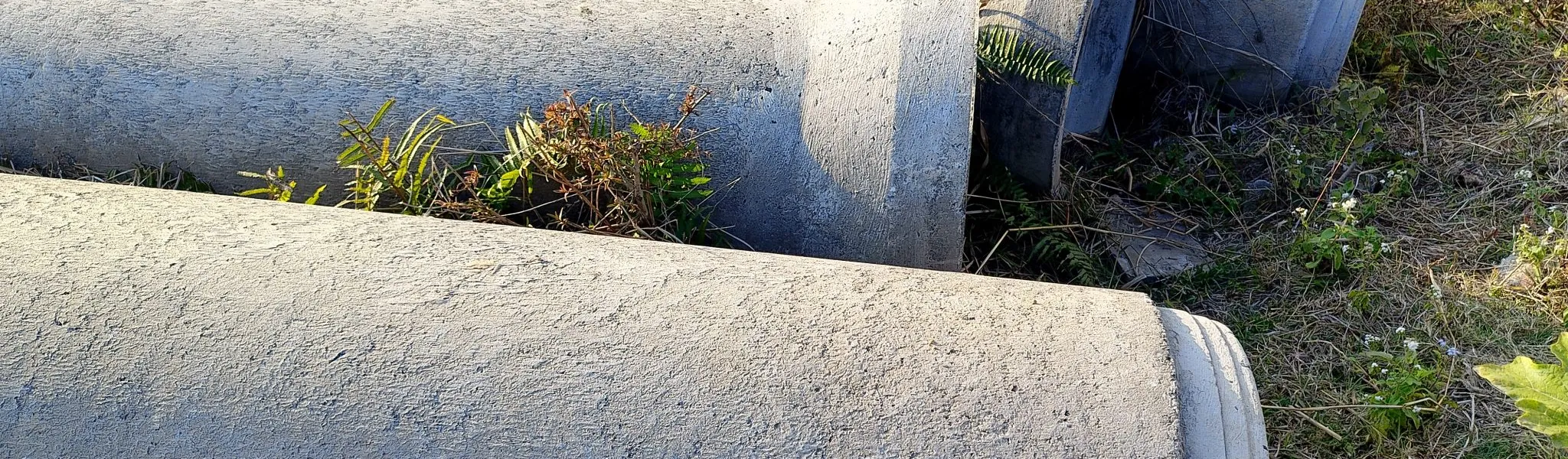
5 Warning Signs Your Culvert Needs Immediate Cleaning

Culverts are the quiet workhorses of our infrastructure. Day in and day out, they channel thousands of gallons of heavy stormwater safely under our roadways, commercial driveways, agricultural fields, and railroad beds. Because they are out of sight, they are often out of mind—until a severe storm hits.
When a culvert becomes choked with debris, the resulting damage is incredibly fast and exceptionally expensive. A blocked pipe can rapidly lead to flooded properties, severely eroded embankments, and catastrophic roadway washouts. To protect your property and infrastructure, watch closely for these five critical warning signs that your culvert needs professional cleaning.
1. Standing Water on One Side of the Road
After a heavy Midwest rainstorm or during the spring thaw, take a look at the water flow. If you notice a large pool of standing water on the upstream side of the culvert, but only a slow trickle exiting the downstream side, you have a severe bottleneck. This pooling indicates that a significant blockage inside the pipe is restricting flow. Left unchecked, that standing water will eventually overtop the road or saturate the subgrade, leading to infrastructure failure.
2. Visible Rock, Sediment, or Debris at the Openings
The most obvious sign of a problem is a visual accumulation of debris at the inlet or outlet of the pipe. Over time, flowing water carries heavy sediment, agricultural runoff, thick mud, and fallen branches directly into the culvert. If you can see a buildup of rocks and debris restricting the visible ends of the pipe, you can guarantee that the deep interior is heavily compacted and requires industrial-grade vacuum extraction to clear.
3. Active Erosion or Washouts Around the Pipe Ends
Water always finds the path of least resistance. When a culvert is clogged and water cannot flow through the pipe, it will forcefully push its way around it. If you notice the soil washing away, deep scouring, or active erosion around the concrete headwalls or the metal edges of the culvert, the surrounding structural embankment is actively being compromised.
4. Sinking, Dipping, or Cracking Pavement Above
This is one of the most severe warning signs. If the asphalt or concrete directly above the culvert is beginning to dip, severely crack, or form potholes, it means the supporting soil underneath is washing away. This is often caused by a blocked culvert forcing water to leak through separated joints, aggressively eroding the road base. Ignoring this sign almost always leads to a dangerous sinkhole or a total road collapse.
5. Visible Rust, Heavy Corrosion, or Joint Separation
For corrugated metal culverts, standing water and compacted, moist soil trapped inside the pipe will rapidly accelerate rust and corrosion. If you inspect the pipe and see flaking rust, jagged holes, or sections where the pipe joints are actively pulling apart, cleaning is urgently needed. Clearing the pipe allows for a clear CCTV camera inspection to determine if trenchless rehabilitation and relining can save the structure before it requires a full excavation.
Protect Your Infrastructure with Proactive Maintenance
Regular cleaning and high-definition video inspections are the most cost-effective ways to restore full water capacity and catch minor structural problems long before they turn into emergency road closures or massive replacement projects.
Don’t wait for the next heavy rain to find out your culvert is failing. Hydrocore Industries provides heavy-duty culvert cleaning, vacuum extraction, and trenchless repair throughout Iowa, Minnesota, Wisconsin, and Illinois. Request a quote online today or call our dispatch team directly at 641-430-4956 to schedule an inspection.