
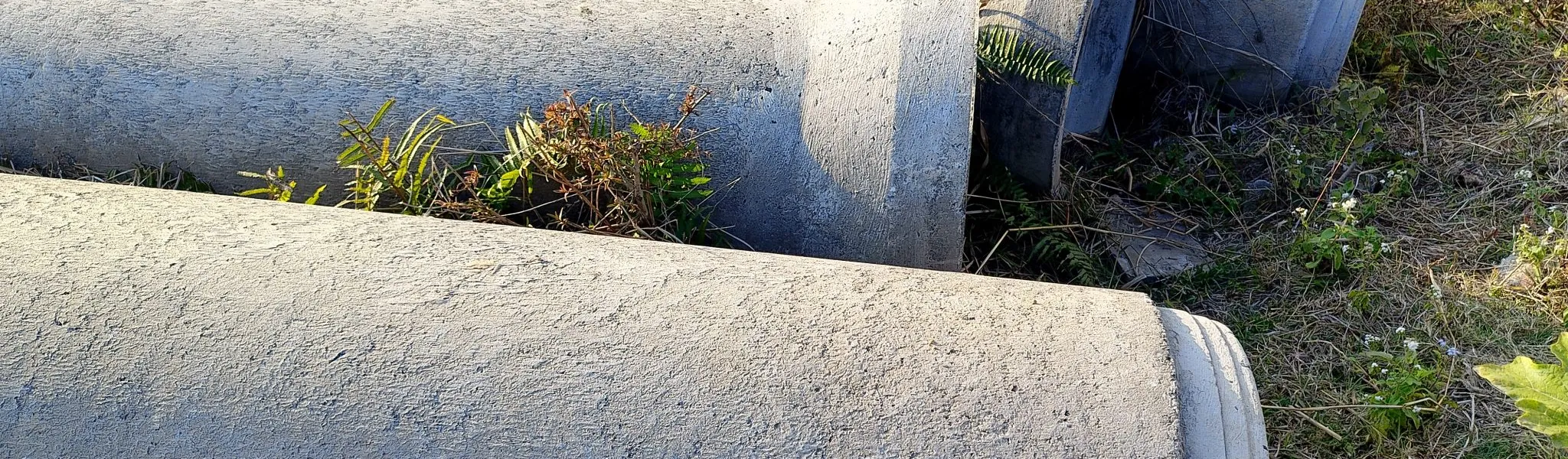
Getting Storm Drains Ready for Spring Runoff in the Midwest

Midwest weather is notoriously unforgiving on underground infrastructure. After months of freezing temperatures, heavy snowfall, and the massive application of road salt and sand, the rapid shift to spring creates a perfect storm for drainage systems. When rapid snowmelt combines with heavy spring torrential downpours, neglected storm drains are instantly pushed to their absolute limits.
A little proactive preparation right now is the most effective way to prevent submerged parking lots, severe property damage, and costly environmental compliance issues later. Here is how facility managers and municipalities can ensure their stormwater systems are ready for the spring surge.
1. Clear the Lines with High-Pressure Jetting
Throughout the fall and winter, storm lines and catch basins accumulate a massive amount of debris. Dead leaves, heavy road sand, trash, and invasive tree roots silently reduce the carrying capacity of your pipes. When peak spring flows hit, these bottlenecks cause water to immediately back up onto the surface.
To combat this, we deploy high-pressure water jetters paired with heavy-duty vacuum trucks. The hydro-jetter aggressively scours the pipe walls, slicing through roots and blasting away compacted sand and scale. Simultaneously, our vacuum trucks extract the debris, safely hauling it away so your storm lines are fully restored to their maximum hydraulic capacity before the heavy rains arrive.
2. Inspect Before You Repair
The harsh Midwest freeze-and-thaw cycle is brutal on buried concrete and metal. Frost heave shifts the soil, frequently causing storm drain joints to offset, crack, or completely separate. Before you begin planning extensive spring repairs, you need to know exactly what is happening underground.
A high-definition CCTV camera inspection takes the guesswork out of your maintenance budget. By running a remote robotic camera through your storm lines, our technicians can visually pinpoint structural failures, active leaks, and hidden blockages in real-time. This allows you to target your repairs precisely and often utilize trenchless relining solutions, saving you from unnecessary and destructive full-site excavations.
3. Have a Reliable Emergency Plan in Place
Even with the best preventive maintenance, severe flash flooding can overwhelm local infrastructure. When water starts actively backing up toward your commercial building or submerging a critical roadway, you don’t have time to leave a voicemail and wait days for a callback. You need an operational partner who is ready to deploy immediately.
Hydrocore Industries provides true 24/7 emergency response. We keep our specialized crews, vacuum trucks, and jetting equipment on standby around the clock. If you face a drainage crisis this spring, save our number and call 641-430-4956 any time, day or night, for rapid, heavy-duty mitigation.